
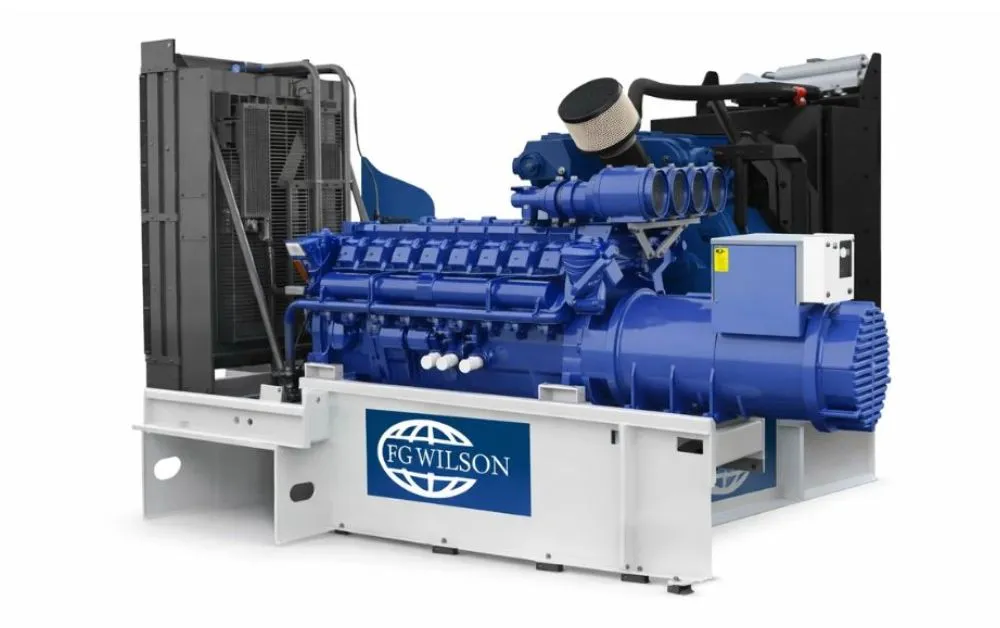
Furthermore, reputable suppliers such as FG Wilson (Engineering) FZE have been associated with the provision of credible diesel generator solutions in the UAE and the Middle East, which are used to ensure the efficiency and productivity of industries.

1. Operate at Optimal Load Capacity
The best method to achieve fuel efficiency is to operate the generator at optimal load. Diesel generators do not operate well below 70-80 percent of their rated power output or even lower.
Use of a generator at very low loads results in weak combustion and wastage of fuel, and overloading results in overloading of the engine. Effective load management will improve maximum output at minimum consumption of fuel.
2. Use High-Quality Diesel Fuel
The quality of fuel has a direct influence on the performance of the generators. Poor quality or impure diesel may be used to block injectors and limit combustion, resulting in increased consumption of fuel.
To maintain efficiency:
- Always add high-quality diesel.
- Keep fuel in clean, closed tanks.
- Carry out frequent fuel quality inspections.
Clean fuel helps to achieve smoother engine work, as well as lowering the maintenance expenses in the long term.
3. Perform Regular Maintenance
Regular services are necessary in order to maintain your generator in good shape. Unmaintained parts may lead to a decrease in efficiency of 10-20 percent (or higher) and fuel consumption.
The major maintenance practices are:
- Changing air, oil, and fuel filters.
- Incidentally, check the injectors and lubrication systems.
- Checking the leaks or the damaged parts.
A generator that is well-maintained not only uses less fuel but also has a longer life span.
4. Ensure Proper Cooling and Ventilation
Diesel generators work optimally between a given range of temperatures. Overheating may lower the level of lubrication and lead to high fuel consumption.
In order to keep things in the best possible state:
- Maintain the proper condition of cooling systems.
- Make sure there is adequate air circulation on the generator.
- Do not work in stuffy or stuffy places.
Effective cooling aids in increased combustion as well as fuel economy.
Suggested Read-Diesel vs. Natural Gas: Why Diesel Still Reigns as the King of Industrial Backup Power
5. Avoid Excessive Idling and Frequent Start-Stop Cycles
The many start-ups and stop-starts may use more fuel than continuous running. On the same note, it would be similar to having the engines idle without actually generating power.
Best practices include:
- Turning off the generator when it is not in use.
- Automation in controlling operations.
- Keeping the time of execution steady, where feasible.
Unnecessary runtime can be reduced, which will help to decrease the fuel costs significantly.
6. Monitor Fuel Consumption in Real Time
Contemporary diesel power generators have their own monitoring systems that monitor the fuel consumption and performance. Such systems are useful in determining inefficiencies and optimizing operations.
The advantages of monitoring are:
- Leakage or wastage of fuel.
- Changing the distribution of loads.
- Preventive maintenance planning.
Evidence-based decisions have the potential to increase fuel efficiency significantly.
7. Choose the Right Generator Size
The size of the generator to be used in your application is of the essence. A large generator burns more fuel during less demand, whereas a small generator is not able to generate efficiently.
Proper sizing ensures:
- Balanced load distribution
- Efficient fuel usage
- Reduced wear and tear
Experts can also be consulted to know the best capacity of a generator to install.
8. Maintain Clean Fuel Storage Systems
Storing fuel is very important to ensure efficiency. Poor storage may contaminate the engine, which influences its performance.
Best practices include:
- Shelving fuel in dry, cool conditions.
- Corrosion-resistant tanks should be used.
- Conducting frequent checks on the storage systems.
These measures assist in maintaining the quality of the fuel and maintaining the same performance of the generators.

Conclusion
To get the maximum performance and life span of diesel generators, there is a need to enhance the efficiency of the fuel. In terms of running at optimal loads, keeping fuel quality, and the use of smart monitoring, every measure is aimed at increasing efficiency and reducing the costs of operation.
For companies that use an industrial diesel generator in Dubai, these fuel efficiency ideas will result in considerable savings and better dependability. Through professional assistance of reputable suppliers such as FG Wilson (Engineering) FZE, industries in the UAE and the Middle East will be in a position to have their power systems running optimally and reduce the amount of fuel used.


