
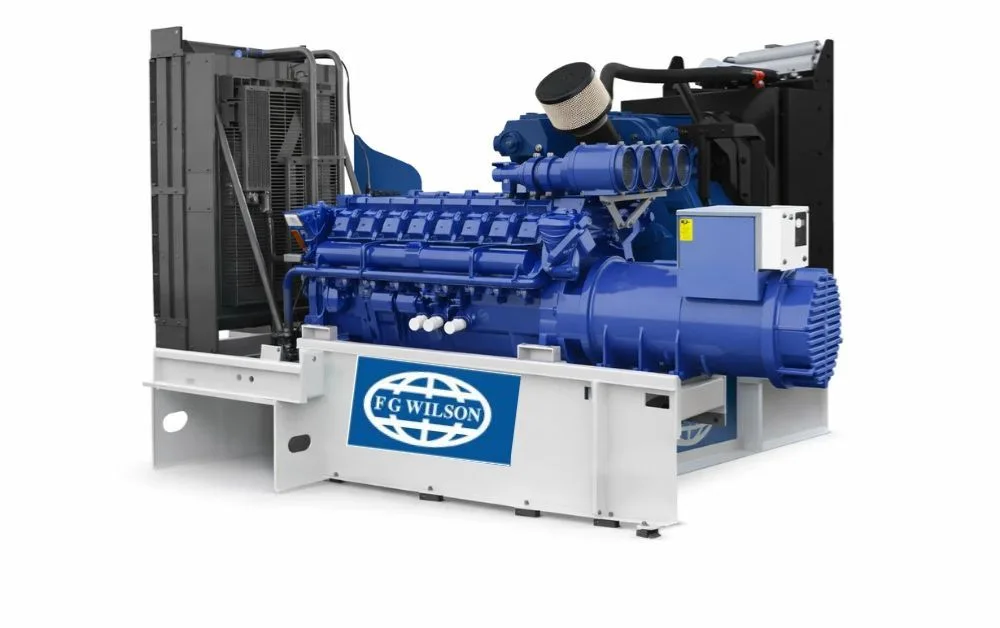
Let us break down why diesel generators continue to be the king of backup power in the industrial world.

Understanding Diesel and Natural Gas Generators
Let’s start with the basics:
- Diesel Generators: These run on diesel fuel to create electricity. They are known for being super durable, able to handle heavy loads, & provide steady power over long periods. Diesel generators are the go-to for emergency backup & are often used as primary power sources in remote locations.
- Natural Gas Generators: This use piped gas or compressed natural gas (CNG). They produce fewer emissions, which makes them a bit cleaner & more environmentally friendly. However, they rely on a consistent gas supply, which can be a problem if there are disruptions or if you’re located somewhere without a reliable pipeline.
While both fuel types have their benefits, diesel generators have earned their reputation as the preferred choice in most industrial settings. Let us dive into why that is.
Fuel Availability & Storage: Diesel Wins the Flexibility Battle
When it comes to fuel storage, diesel gives a big advantage, mainly in locations that might not have easy access to natural gas.
- Diesel Generators: Diesel fuel can be stored on-site in tanks, which means you do not have to worry about running out of fuel during an emergency. You can store enough for days or even weeks of operation.
- Natural Gas Generators: These rely on pipelines or compressed gas, and if the gas supply gets cut off, you’re out of luck. If you’re in a remote location or one that doesn’t have a steady gas supply, diesel makes more sense.
In places where you want the flexibility to store fuel and ensure uninterrupted power, diesel is a much more dependable choice.
Reliability & Startup Performance: Diesel’s Quick Response
In the world of industrial backup power, reliability is everything. When the power goes out, you want a generator that jumps into action without hesitation.
- Diesel Generators: Diesel engines are called for their quick start-up. Even if they have been sitting idle for a while, they are designed to spring to life fast & handle critical loads right away.
- Natural Gas Generators: While reliable, these units can take a bit longer to start up, mainly if there are issues with gas pressure or pipeline disruptions.
In fast-paced industrial environments where downtime equals lost revenue, diesel’s quick response time is a game-changer.
Related read:-How do Generator Suppliers Support Off-Grid and Remote Locations?
Maintenance and Lifecycle Costs: Diesel Is Built to Last
When it comes to keeping costs down in the long run, diesel generators tend to have the upper hand.
- Diesel Generators: Diesel engines are built tough. They’re designed to withstand heavy loads & continue running without frequent breakdowns. They may require regular maintenance, but they are generally known for their durability & long lifespan, which reduces the need for constant repairs.
- Natural Gas Generators: These tend to need less servicing due to their cleaner burn. However, the overall maintenance costs can still add up, mainly if gas supply issues cause downtime or system failures.
In terms of long-term value, diesel generators are often the more cost-effective option, offering better durability & fewer surprises down the road.
Emissions & Environmental Impact: Diesel Gets Cleaner, Too
Natural gas generators definitely have an edge when it comes to being “greener.” They produce fewer emissions, which makes them the preferred option in areas with strict environmental regulations.
- Natural Gas Generators: As a cleaner-burning fuel, they release fewer carbon emissions, which can be great if you’re working in an area where environmental impact is a major concern.
- Diesel Generators: Modern diesel generators are cleaner than ever before. With advanced technologies like cleaner fuel and better exhaust systems, today’s diesel engines comply with tough emission standards and offer a balance between performance & environmental responsibility.
So, while natural gas has the environmental edge, diesel has caught up with technology that makes it a much cleaner option than it was in the past.

The Bottom Line
At the end of the day, diesel generators are still the top choice for most industrial backup power needs. While natural gas is a great option in specific situations, mainly where emissions are a major concern, diesel’s overall advantages make it the go-to choice for industries that cannot afford any downtime.
As an established generator suppliers Dubai, FG Wilson (Engineering) FZE provides businesses with reliable, high-performance industrial generators, supported by expert guidance & solutions designed around real operational needs.


