Let us dive into how these protection features work & why they are crucial for ensuring uninterrupted power in any environment.

Overcurrent Protection: Preventing Too Much Power
One of the main protection features built into generator control panels is overcurrent protection. It is there to make sure the generator doesn’t draw more current than it can safely handle. Too much current can happen if there’s a short circuit or a sudden surge in load, & this could easily damage the generator.
- How it works: The control panel detects excessive current and automatically shuts things down by triggering a circuit breaker.
- Why it’s important: Overcurrent protection prevents overheating and damage to both the generator & any equipment connected to it.
In commercial & industrial setups, this protection feature is key for avoiding costly repairs and production stoppages.
Overvoltage & Undervoltage Protection
Voltage levels are just as important as current, mainly when it comes to sensitive equipment. Too high or too low a voltage can cause everything from malfunctioning electronics to shortened equipment lifespans. That’s where overvoltage & undervoltage protection comes in.
- Overvoltage protection: If the voltage exceeds safe levels, the control panel will either shut the generator down or disconnect affected circuits.
- Undervoltage protection: On the flip side, if the voltage drops too low, it signals a problem like generator inefficiency or an imbalance in the load, and the system will trigger corrective action.
This is particularly important in places like data centers, hospitals, or any business where equipment cannot afford even small voltage irregularities.
Frequency Protection
Generators need to operate within a specific frequency range to stay in sync with the grid. If the frequency deviates too much—say due to a sudden change in load or mechanical issues—it can damage the generator & other connected equipment.
- How it works: The control panel constantly monitors the generator’s frequency. If it goes too high or low, the system will either alert you or disconnect the load to prevent damage.
- Why it’s crucial: Frequency protection aids the generator stay in sync with the grid & ensures sensitive equipment like motors and electronics run smoothly.
It’s particularly valuable in industrial environments where even a slight frequency variation can cause machinery to break down.
Phase Sequence and Phase Failure Protection: Vital for Three-Phase Power
For generators that provide three-phase power (which is common in industrial applications), phase sequence & phase failure protection are key features.
- Phase sequence protection: This ensures the electrical phases follow the correct order. If they’re out of order, it can cause motors to run incorrectly and lead to damage.
- Phase failure protection: If one phase is lost—because of a wiring issue or fault—the system automatically shuts the generator down to prevent further damage.
These protections are a big deal in manufacturing units and data centers where three-phase power is the standard.
Related read:-5 Signs It’s Time to Replace Your Generator Control Panels
Engine Protection Features: Keeping the Heart of the System Safe
Modern control panels don’t just look out for the generator’s electrical systems—they also protect the engine itself, which is critical to the generator’s long-term health.
- High temperature shutdown: The panel will monitor engine temperature and automatically shut things down if the engine overheats.
- Low oil pressure protection: If the oil pressure drops too low, the panel will shut off the generator to avoid engine damage.
- Overspeed protection: If the engine starts running too fast, it can cause severe damage, so this feature will stop the generator immediately if it detects this.
By keeping the engine protected, these features aid extend the life of your generator and reduce maintenance costs.
Short Circuit and Ground Fault Protection
Short circuits & ground faults are among the most dangerous electrical hazards. They can cause fires, equipment damage, or even injuries. That’s why modern control panels include short circuit & ground fault protection.
- Short circuit protection: This feature detects a sudden surge of current from a short circuit and immediately trips the breaker to prevent further damage.
- Ground fault protection: It monitors for leakage currents and disconnects the generator if it detects any ground faults, protecting both personnel & equipment.
These protections aid keep everyone safe and ensure your generator meets the necessary safety standards.

Conclusion
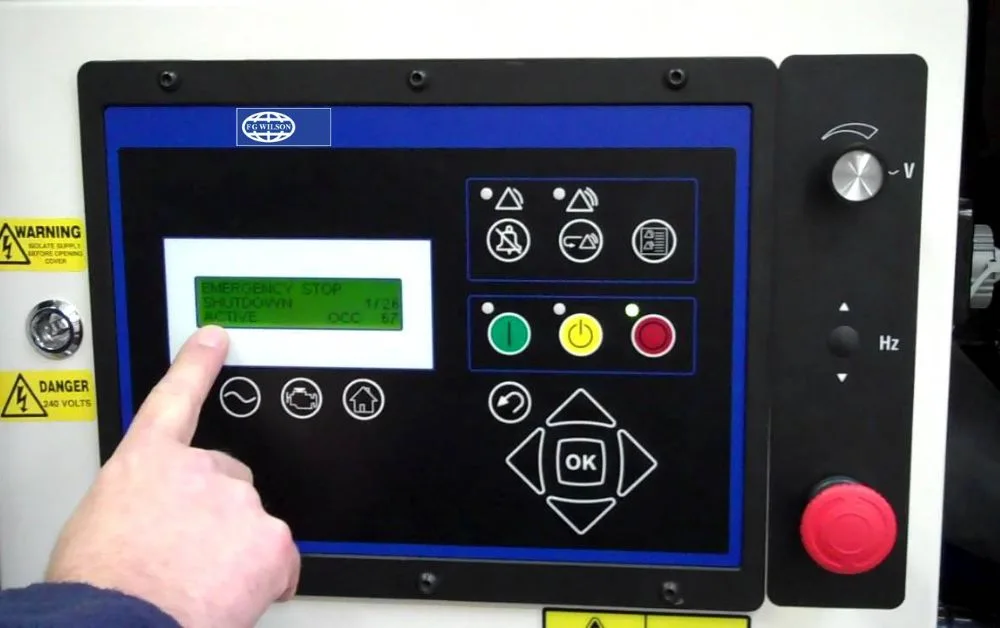
Modern generator control panels are much more than just simple power regulators—they are packed with protection features that safeguard both the generator & everything it powers.
For businesses looking for reliable, high-performance power generation systems, FG Wilson (Engineering) FZE offers expertly engineered control panels and generators that provide maximum safety, performance, & peace of mind.