In this article, we’ll explore how these systems work, the parts that make them tick, and why they’re trusted by so many businesses in demanding commercial and industrial environments.

What Are Diesel Generator Sets and How Do They Work?
At their core, sets are designed to convert fuel into electrical power. They’re built to either kick in during a power outage (as a backup) or serve as the primary source of energy where grid access is limited or unavailable.
In commercial spaces, these systems keep essential operations running—like lights, elevators, security systems, & IT infrastructure. In industrial settings, they provide power to machinery, production lines, & equipment that need constant, reliable energy.
Key Components and Their Roles
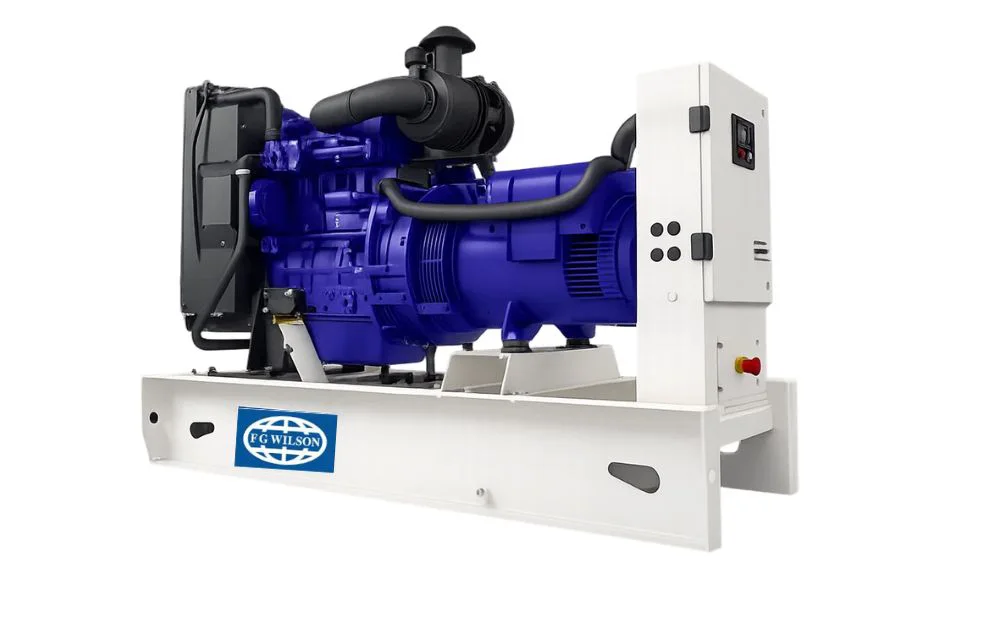
To keep things simple, let us break down the main parts of a diesel generator sets and what they do:
- Engine: The engine is the heart of the system. It burns fuel to produce mechanical energy, keeping everything running smoothly, even under heavy loads in industrial environments.
- Alternator: The alternator converts the mechanical energy produced by the engine into electrical power. As the engine turns, it rotates the alternator’s components, which generates electricity.
- Fuel Storage and Delivery: Fuel tanks and delivery lines make sure the engine has a steady supply of fuel. Larger systems often have extra storage so they can keep running for longer periods without needing a refill.
- Control and Monitoring Panel: The control panel monitors the system’s performance, ensuring it starts up & shuts down correctly. It also gives operators real-time info on voltage, engine health, and other key data.
- Cooling and Exhaust Systems: These systems regulate temperature & safely dispose of combustion gases, while also helping to reduce noise levels.
How Power Is Generated: The Process
Here’s how it works in action: Fuel is injected into the engine’s combustion chamber, where it ignites due to high compression. This ignition moves the engine’s pistons, creating rotational energy. The crankshaft transfers this energy to the alternator, which then produces the electrical current needed to power everything.
The entire process happens quickly, meaning the system can start supplying power almost immediately when there is a grid failure.
Applications in Commercial Buildings
Commercial buildings need reliable power to keep things running smoothly, from safety systems to daily operations. Here is how diesel generators help:
- Emergency Power Support: When the grid goes down, diesel generators kick in automatically, ensuring that critical systems like emergency lighting, fire alarms, & IT infrastructure stay operational.
- Handling High Electrical Loads: In places like hospitals, hotels, shopping malls, and airports, these generators manage high power loads, keeping lifts, escalators, & HVAC systems running without any hiccups.
- Regulatory Compliance: In many cases, commercial buildings are legally required to maintain backup power solutions. Diesel generators aid businesses meet these regulations & avoid potential fines.
Related read:-Maintenance and Service Tips to Keep Your Diesel Generator Running Smoothly
Applications in Industrial Environments
Industrial facilities often need constant, heavy-duty power to keep their operations running smoothly. Diesel generators are a crucial part of that process:
- Primary Power in Remote Locations: Some industrial operations, like mining, oil and gas, or construction, happen in areas with limited or no grid access. In these cases, diesel generators provide the main source of power.
- Continuous and Heavy Duty Operation: Diesel generators are built for long hours of use, even in tough environments. They can handle continuous operation without losing performance, making them perfect for industrial wants.
- Reducing Downtime: In manufacturing, any interruption can result in costly delays. Reliable backup power ensures that production lines stay up and running, protecting valuable equipment & preventing unnecessary downtime.
Automatic Switching and Load Control
One of the great things about modern diesel generators is how automatically they operate. If the grid fails, the generator kicks in without anyone needing to flip a switch. Once power is restored, the system switches back seamlessly.
Load control features ensure that important equipment gets priority power, so nothing gets overloaded, and the system runs as efficiently as possible.
Why Diesel Generators Are So Reliable, Efficient, and Durable
Diesel generators are called for their fuel efficiency & long lifespan. They perform well even under heavy loads and can operate in some of the harshest environments, from extreme temperatures to dusty construction sites.
Today’s generators are also designed with lower emissions and quieter operations in mind, making them suitable for both urban areas & industrial zones. They’re a perfect balance of power, reliability, & efficiency.

Conclusion
Whether providing emergency backup in a commercial building or powering critical equipment in industrial settings, diesel generator sets play a vital role in ensuring that businesses stay operational & safe. Their ability to deliver reliable power, even in the toughest conditions, makes them an essential asset in various sectors.
If you’re looking for a trusted, high-performance power solution for your business, FG Wilson (Engineering) FZE gives a range of diesel generators designed for maximum reliability, efficiency, and long-term support.