
Understanding What Generator Control Panels Do
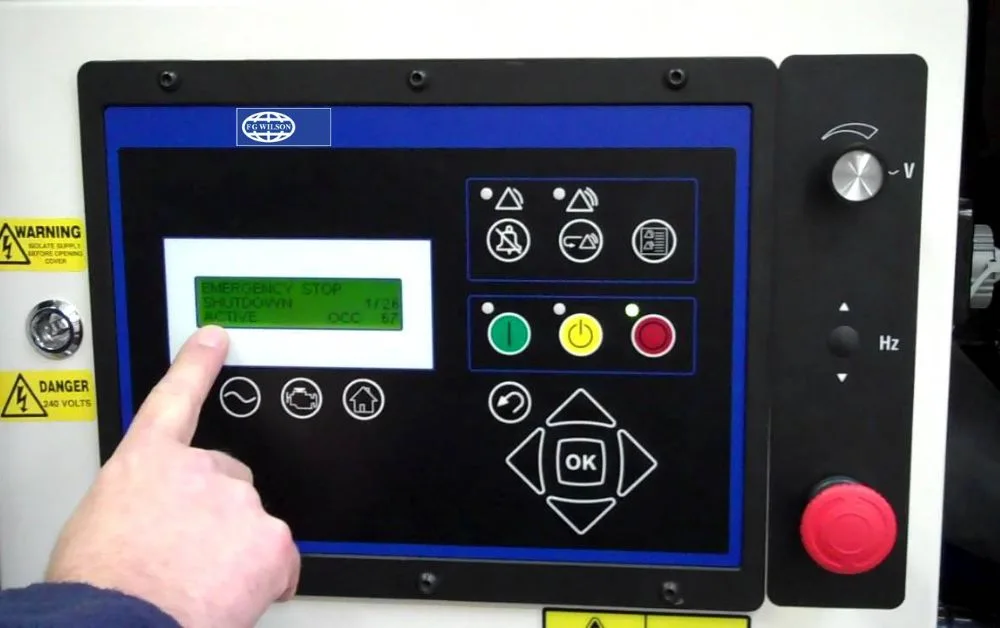
Before understanding how to maintain a control panel, it helps to understand what it actually does. The control panel continuously monitors the generator’s operating parameters, including output voltage and frequency, engine oil pressure and temperature, coolant temperature, battery voltage, and fuel level where sensors are available. It manages the automatic start sequence when grid power fails, monitors the transfer of load between grid and generator, and initiates the shutdown and cool-down sequence when grid power is restored. It also records fault codes and operational history, which is invaluable for diagnosing recurring problems and planning preventive maintenance activities. This complexity means the control panel must be kept in reliable working condition at all times.
Practical Maintenance Tips for Generator Control Panels
1. Keep the Panel Clean and Free of Dust
Dust and fine particulate matter are persistent enemies of electronic control systems. They accumulate on circuit boards, block ventilation slots, and can cause short circuits when they build up between electrical connections. At least once a month, use a dry, soft cloth or a low-pressure compressed air supply to gently remove dust from the exterior of the panel. Pay particular attention to ventilation openings and any gaps around display screens or keypad areas. Never use water, wet cloths, or liquid cleaning sprays anywhere near an active control panel.
2. Inspect All Wiring and Terminal Connections Regularly
Electrical connections that become loose or corroded are one of the most common causes of control panel malfunctions. During every scheduled maintenance visit, inspect visible wiring and terminal connections for signs of loosening, corrosion, discolouration from heat, or physical damage. Tighten any loose connections carefully, and if you observe any evidence of burning or melted insulation, arrange for professional inspection and repair immediately. Never attempt to modify wiring yourself unless you are a qualified electrician.
3. Test All Alarms and Indicator Functions
The control panel’s alarm system is your early warning mechanism for generator problems. Every alarm light, audible alarm, fault indicator, and display message needs to be in working order to do its job effectively. During routine maintenance, test each alarm function according to the panel manufacturer’s recommended procedure to confirm it activates correctly. A faulty alarm can mask a developing problem that, left undetected, could result in serious engine damage or a generator failure during a power outage.
Related read:-Automatic vs Manual Generator Control Panels: Which One Should You Choose?
4. Check and Maintain the Panel Battery
The control panel’s battery powers the electronic systems, particularly the automatic start circuitry that activates when mains power is lost. A flat or weak battery will prevent the generator from starting automatically — precisely the moment when you need it most. Check the battery voltage at regular intervals, keep the terminals clean and free of corrosion, and replace the battery according to the schedule recommended by the manufacturer. Battery replacement is inexpensive compared to the cost of a generator that fails to start during an emergency.
5. Verify Automatic Start and Transfer Functions Regularly
The automatic start function should be tested under realistic conditions on a monthly basis. Simulate a mains failure by briefly opening the main circuit breaker and confirm that the generator starts within the specified time, the load transfers correctly, and the control panel reports a clean transfer without fault codes. This test also confirms that the automatic transfer switch and associated cabling are functioning correctly as part of the complete system.
6. Maintain Adequate Clearance Around the Panel
Control panels require adequate airflow to prevent overheating of their internal components. Ensure there is sufficient clear space around all sides of the panel, that no materials or equipment are stored directly against it, and that any ventilation openings are unobstructed. Overheating accelerates the degradation of electronic components and significantly shortens panel lifespan.
7. Schedule Annual Professional Servicing
While the routine checks described above can be carried out by trained facility maintenance staff, an annual professional inspection by a qualified technician is essential. A professional will calibrate the panel settings, verify the accuracy of all monitoring parameters, update any available firmware, check insulation resistance on internal wiring, and identify developing issues that may not be apparent to a non-specialist.

Conclusion
Well-maintained generator control panels are the key to having a backup power system that responds reliably and correctly every time it is called upon. The investment of time in regular inspections, cleaning, alarm testing, and professional servicing is modest compared to the cost and disruption of a generator that fails to perform in an emergency. FG Wilson (Engineering) FZE provides expert service and maintenance support for generator control panels across the UAE, ensuring your power system remains dependable and ready at all times.