
What Does a Control Panel Actually Do?
No matter what type of system you choose, the control panel’s job is simple but crucial: it makes sure your generator starts, keeps track of its performance, and stops it from overheating or damaging itself.
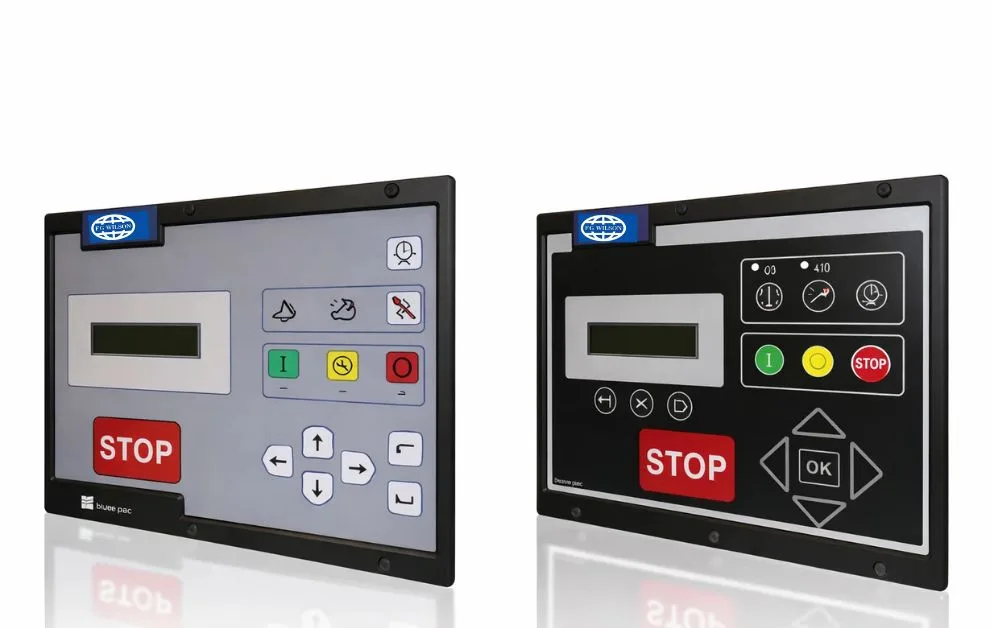
Typically, a control panel will have:
- A display that shows real-time data (like voltage and frequency)
- Circuit breakers to prevent issues
- Alarm systems that warn you if something’s wrong
- A way to switch the generator on and off (either manually or automatically)
So, whether you go manual or automatic, it’s all about keeping things safe and efficient.
What Is a Manual Control Panel?
In a manual system, someone has to physically start the generator when the power goes out. It’s pretty simple, but it does require someone to be on-site.
Key Features:
- Simple design with push-button or key-start
- Basic gauges to monitor the system
- Less expensive to buy and install
Why People Like It:
- Affordable: Manual systems are easier on the wallet upfront.
- Easy to Maintain: Fewer electronic parts means less to worry about when it comes to repairs.
- Good for Small Operations: If power outages are rare, or there’s always someone around to take care of things, it works just fine.
Downsides:
- Requires someone to be present during a power outage
- Slower response time (you’re relying on someone to flip the switch)
- Not ideal for places where immediate power is needed
Manual panels work best for small businesses, farms, or places where you don’t need to jump into action right away when the lights go out.
What Is an Automatic Control Panel?
Automatic systems are a whole different ball game. These systems automatically detect when there’s a power failure and start the generator without anyone lifting a finger. And if you pair it with an Automatic Transfer Switch (ATS), it can seamlessly switch from the grid to generator power.
Key Features:
- Automatically starts and stops the generator
- Constant monitoring of the system
- Alarms that detect faults
- Remote monitoring options in some models
Why People Like It:
- Instant Response: The generator kicks in within seconds, cutting down on downtime.
- More Safety: Automated fault detection reduces risks to the equipment.
- Remote Access: You can track how things are going from anywhere.
- Perfect for Critical Operations: Hospitals, large office buildings, or data centers rely on this kind of system to keep things running smoothly, no matter what.
Downsides:
- Higher upfront cost
- A bit more complicated to set up
Automatic control panels are the way to go if you need things to just work without anyone getting involved. They’re especially great for businesses that can’t afford even a second of downtime.
Suggested Read-What Protection Features Are Built Into Modern Generator Control Panels?
Things to Think About Before You Choose
- Nature of Your Business: If you can’t afford to wait even a few minutes during a power outage, go for automatic. If your business can wait a bit, manual might be enough.
- Budget: Manual panels are cheaper upfront, but if you’re frequently losing power, an automatic system might save you in the long run.
- How Often Power Goes Out: If you’re in an area with frequent outages, an automatic system can be a real lifesaver.
- Tech Know-How: Automatic systems might need someone with technical knowledge to install and maintain them, so make sure that’s in place.
Long-Term Efficiency
Automatic panels often provide better long-term value. Here’s why:
- Less Downtime: Your generator jumps in the moment the power goes out, meaning less business disruption.
- Better Load Management: These systems are smarter about how they manage power use, meaning less wear and tear.
- More Protection: Fault detection features reduce the chance of major damage to your generator.
- Remote Monitoring: This feature means you can stay on top of everything, even from a distance.
Manual systems are still great for smaller operations where budget is tight and risks are lower, but in the long run, automatic systems tend to offer more bang for your buck.
Making Your Decision
There’s no “one-size-fits-all” answer here. The right choice depends on what your business needs. If speed, reliability, and safety are the highest priorities, automatic is probably the way to go. But if your operations can afford a little flexibility and you’re working with a tight budget, manual panels can serve you well.
Understanding what each type of system can offer helps you pick the best solution for your power needs, so you don’t end up with something that doesn’t quite fit.

Conclusion
Choosing the right control system is a big deal. While manual panels are simple and affordable, automatic panels give you speed, safety, and peace of mind when it matters most. By thinking about your specific needs, budget, and how critical uptime is, you can confidently pick the panel that suits your business. For top-quality control systems and expert advice, FG Wilson (Engineering) FZE offers reliable solutions designed to keep your operations running smoothly and efficiently.